
Phantom, NFTs, and DeFi: Which Solana Wallet Fits Your Workflow?
So I was mid-scroll in a Discord NFT drop, thinking about gas fees. My instinct said that my wallet choice mattered a lot. At first I leaned to convenience, then I worried about permission creep. Whoa! I've built Solana integrations for clients and used extensions and mobile apps, and yet small UI nudges still trip people up when they sign transactions.
Okay, so check this out—wallets on Solana wear different hats. Some are optimized for NFTs and collector flows, others for DeFi and multisig operations. That difference shows up in tiny details like how SPL tokens are displayed, how metadata previews render, and how the extension surfaces transaction origin. Hmm... these UX quirks matter more than you might think, especially when you're moving value fast.
Here's the thing. Collector-focused wallets make images and attributes easy to browse. They show a big preview and let you rename and organize things quickly. DeFi-first wallets push charts, pools, and stake flows to the top of the experience, and they sometimes hide the itemized instruction list in a small modal that users skip. Really?
I'll be honest—this part bugs me. Initially I thought that a single "universal" wallet could serve everyone, but then I realized that specialized flows reduce errors and keep trust intact. Actually, wait—let me rephrase that: the better the wallet matches a user's mental model, the fewer stupid mistakes they make when approving complex transactions. On one hand you want fewer clicks; on the other hand you want granular approvals to limit exposure.
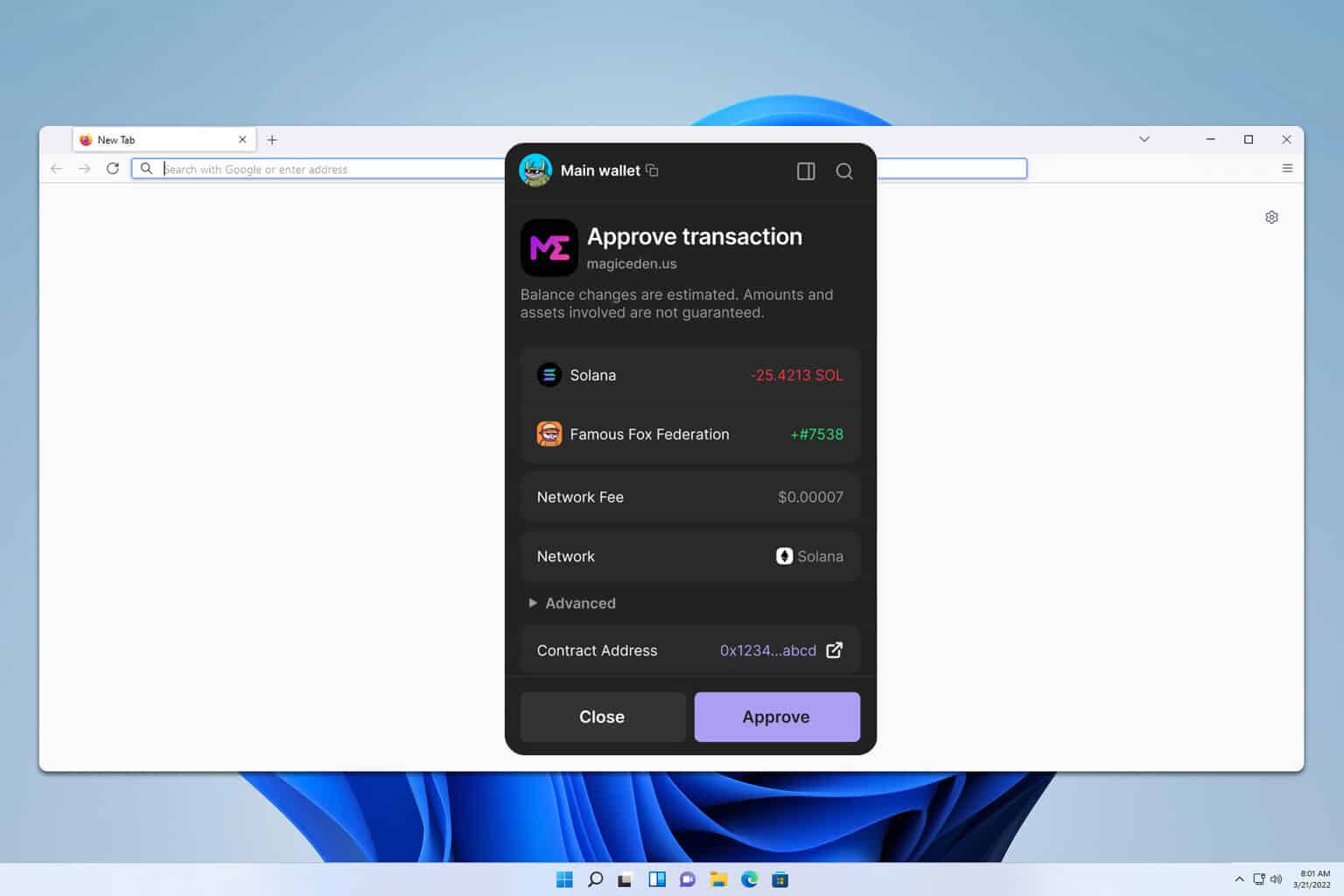
For collectors, transaction previews are crucial. Seeing an NFT image and knowing exactly which program will transfer it reduces social-engineering risk. For traders and DeFi users, transaction granularity and spend limits are more important. My instinct screamed that too many approvals with ambiguous wording is a ticking time bomb. Something felt off about generic "Approve" buttons that accept infinite allowances—very very important to avoid those.
Phantom has become the default for many people because it balances simplicity and power. It offers a smooth extension plus a mobile app, and it handles token lists, NFT galleries, and staking flows fairly well. But you still need to be deliberate about settings and dApp approvals; a default config won't protect you from every scam. Whoa! I almost forgot— Phantom's permission model shows program IDs during signing, which is helpful if you know where to look.
Okay, practical tips now. Lock your wallet with a strong password and enable mobile passcode if you use the app. Use hardware wallet support for large balances or for funds you won't move daily. Back up your seed phrase securely—no screenshots, no cloud notes, and not copied to chat apps even if it's "just temporary". Hmm... sounds obvious, but people do somethin' risky all the time.
When a dApp asks for access, inspect the transaction details. Does it request authority over all NFTs? Is it asking for all token approvals or a single transfer? If the request looks too broad, decline and re-evaluate the flow. Initially I thought decline buttons would be ignored, but in practice passive users often accept just to "get the drop"—that behavior costs real money. Here's the thing: give minimal permissions whenever possible.
Regarding NFT-specific safeguards, use a curated marketplace or wallet-native gallery when possible. Curated flows often add a second confirmation showing metadata and collection provenance, which reduces spoofing risk. For minting, confirm the mint authority and the candy machine address or official drop announcement; scammers love to mirror a legit page. Really? Yes—fake mint sites are shockingly effective when folks rush.
DeFi users should favor transaction previews that show program instructions in plain language. If the wallet lists individual instructions (like "transfer", "approve", "create account"), you get a clearer mental model of the on-chain effect. Consider setting manual allowances or using time-limited approvals when a protocol supports it. Whoa! Also consider small test transactions before committing large sums, because slippage and front-running are real.
Let me walk through a personal hiccup so this feels real. I once approved a broad allowance while testing a liquidity pool integration. My gut said "pause", but I was in a hurry and clicked accept—bad move. Later I realized the allowance covered an unrelated token that sat idle. I revoked it immediately after. Initially I thought it was a one-off mistake, though actually it revealed a pattern of hurried approvals across users.
Wallet hygiene is simple but neglected. Revoke old approvals regularly. Keep a separate account for gas and minor trades. Use secondary wallets for experimental dApps. Consider multisig for shared treasuries, because a couple of trusted signers dramatically lowers single-point failure risk. Hmm... it costs extra effort but saves you from one catastrophic night.
Choosing a Wallet — Quick Recommendations
If you want a balance of NFT friendliness and everyday DeFi safety, try Phantom as a starting point; its extension and mobile app pair well for most US users and it has broad dApp support. If you're primarily into minting and collecting, favor wallets with strong gallery previews and curated marketplaces. For heavy DeFi use, look for granular approval controls and hardware wallet support. If you want to get Phantom quickly, you can grab the phantom wallet download extension and pair it with a hardware signer when you scale up.
One more real-world nuance: browser extensions are convenient, but browser compromises can expose session tokens or clipboard data in edge cases. Mobile apps are sandboxed better on phones but risk if your device is rooted or jailbroken. Hardware wallets are the gold standard for holding high-value assets, though they add friction. I'm biased toward hardware + extension combos for anything substantial.
Also: diversify your approach. Use separate wallets for NFTs, daily trading, and long-term holdings. That makes recovery and damage control easier if something goes sideways. People overlook the simplicity of compartmentalization because it's extra work at first. But trust me—it's worth the sophomore-level effort.
FAQ
Should I use Phantom for NFTs and DeFi?
Phantom is a solid generalist that works well for both NFTs and many DeFi flows, especially for users who want a single interface across extension and mobile. However, match the wallet to your primary need: collectors may prefer gallery-centric UIs, while power DeFi users should prioritize granular approvals and hardware support.
How do I protect my seed phrase?
Write it down on paper, store it in a secure location (safe or safety deposit box), and never digitize it in unsecured places. Consider splitting the phrase using Shamir backup or a multisig setup for larger treasuries. Don't share it—no legit service will ever ask for it.