
Alcohol’s Impact: How Drinking Weakens Your Immune System Defense
For instance, chronic drinkers are 4.5 times more likely to develop pneumonia and face higher risks of post-surgical infections due to impaired neutrophil activity, the immune cells responsible for fighting bacteria. Determining a “safe” amount of alcohol for immune health can be complicated. Recent research suggests that even so-called moderate intake may carry some risks, including a slightly increased risk of certain cancers and impaired immune responses. Consistent or heavy drinking can impair immune cell function and disrupt the balance of inflammation and cell repair.
Why Some Drugs Make You Sleepy: How Chemicals Affect the Brain

If you have histamine intolerance, both kinds of foods can lead to too much histamine in your body. Some medications and gut conditions can make it harder for your body to break down histamines. Or you might not have enough diamine oxidase (DAO), the protein that is mainly responsible for breaking down histamine. Low levels of DAO can be caused by genetics (meaning it's passed down through your family), kidney disease, or liver disease.
Personalized Mental Health & Addiction Care in Florida
- It is possible to have more than one type of psoriasis at one time and more than one type in a lifetime.
- It damages the thymus gland, the training ground for T-cells, leading to a depleted army of these vital immune warriors.
- However, the contributions of each of these changes to increased susceptibility to infection in individuals with AUD remain to be determined.
Mental clarity often enhances as cognitive functions improve, allowing for more focused and productive days. Drinking too much alcohol can weaken the immune system, making the body a much easier target for disease. Drinking a lot on a single occasion slows the body’s ability to ward off infections–even up to 24 hours later. Although most research has focused on the effects of heavy alcohol consumption on the immune system, several studies have also confirmed that even moderate consumption can have significant effects on the immune system. For example, one study found that women who consumed 330 mL of beer for 30 days exhibited a significant increase in leukocytes, mature CD3+ T-cells, neutrophils, and basophils. In contrast, men who consumed a similarly moderate amount of beer for the same period exhibited a significant increase in basophils alone.
Causes of Autoimmune Diseases
Patients on disease-modifying antirheumatic drugs (DMARDs) are often advised to limit alcohol due to liver function concerns. Alcohol can modulate the activities of all of these cell populations by affecting the frequency, survival, and function of most of these cells, thereby interfering with pivotal immune responses. In conclusion, the link between alcohol use and increased infection risk is clear and actionable.
- This recommendation takes into account factors such as the risk of infection, blood alcohol concentration, and the dose-dependent manner in which alcohol affects the body.
- To put the brakes on uncontrolled fire in your body, the immune system releases other chemicals and prevents damage—while still allowing helpful inflammation to neutralize the threat.
- “With COVID-19, alcohol is likely to interfere with an individual’s ability to clear SARS-CoV-2 and cause people to suffer worse outcomes, including ARDS, which commonly results in death,” Edelman said.
- In addition, heavy drinking can increase the risk of adult respiratory distress syndrome and other pulmonary diseases—including tuberculosis, pneumonia, and respiratory syncytial virus (RSV).
Does alcohol increase inflammation?
The morning after a night of over-imbibing can cause some temporary effects on your brain. Things like trouble concentration, slow reflexes and sensitivity to bright lights and Substance abuse loud sounds are standard signs of a hangover, and evidence of alcohol’s effects on your brain. Your body breaks alcohol down into a chemical called acetaldehyde, which damages your DNA. Damaged DNA can cause a cell to grow out of control, which results in cancerous tumors. Having a glass of wine with dinner or a beer at a party here and there isn’t going to destroy your gut. But even low amounts of daily drinking and prolonged and heavy use of alcohol can lead to significant problems for your digestive system.
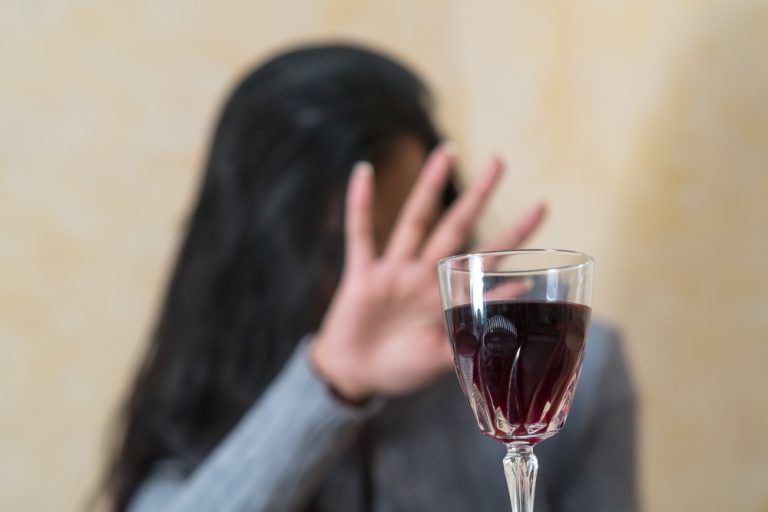
By week two, you’ve likely consumed about 6,000 fewer calories, potentially losing around 2 pounds. By month’s end, you’ll have avoided 12,000+ calories, equating to at least 4 pounds lost. Between 2-6 months, you’ll experience more significant weight loss, improved body composition, reduced stomach fat, and better triglyceride levels, especially if you were a heavier drinker. Your increased sleep continuity develops progressively during the first year of abstinence.
- The spike in alcohol sales has alarmed health experts and officials around the world, who are concerned that increased drinking could make people even more vulnerable to the respiratory disease.
- Dark circles fade, elasticity returns, and your complexion becomes brighter.
- During a colonoscopy, your doctor can check histamine and DAO levels in your colon.
- Your doctor may start by interviewing you about your symptoms and health history.
- This disorder also involves having to drink more to get the same effect or having withdrawal symptoms when you rapidly decrease or stop drinking.
Functional Medicine Perspective on Alcohol and Immunity
Alcohol addiction can occur slowly and incrementally, making it difficult for someone to realize they have it. If you know someone who is finding it difficult to stop or control their drinking, professional help is available. Stopping alcohol use and promoting optimal immune https://maltadockersunion.com/sweets-vs-alcohol-which-indulgence-poses-greater/ health is particularly important during this pandemic. 1 Individual factors in adults that can moderate the effect of alcohol consumption on immunity.
How Alcohol Can Affect Your Immune System
Finally, NLRs, specifically NLRP3 and NLRP4, have been found to be involved in alcoholic liver inflammation. Given the role of NLRs in sensing endogenous danger molecules, this observation further supports the notion that alcohol-induced tissue inflammations is caused at least partially by alcohol-induced danger signals. The liver, a vital organ weighing around 3 pounds, processes everything we consume, including alcohol. It’s the body’s primary detoxification hub, breaking down toxins into less harmful substances. When alcohol enters the system, the liver prioritizes its metabolism, often at the expense of other functions.

What Is Histamine?
Neutrophil, one of the innate immune system components, is essential for the clearance of infection. The granulocyte colony-stimulating factor (G-CSF) is crucial for the activation of several granulocytes, including neutrophils. In alcoholic conditions, the expression patterns of G-CSF are altered, thereby leading to reduced neutrophil accumulation, potentially leading to pneumonia infection 35,36. Inflammation does alcohol lower immune system caused by infiltrated neutrophils and monocytes is the major reason for alcohol-induced liver injury 37,38.